
Healthcare Innovation Education at Sechenov: Medicine Meets Technology
Medicine increasingly depends on people who understand both the patient in front of them and the technology around them. Healthcare innovation education at Sechenov University takes this seriously through Leaders in Health Innovations, an English-taught General Medicine track that adds digital health, research and leadership to the standard clinical training.
A clinical degree first
It helps to be clear about what the track is. Students complete a six-year Specialist degree and qualify as Medical Doctors. Innovation is not a substitute for clinical competence but an extension of it. The programme moves from fundamental subjects, which explain normal and pathological processes in the body, to clinical training, where that theory turns into diagnosis and treatment of real cases in leading Moscow medical institutions, including federal-level clinics.
Where technology enters the curriculum
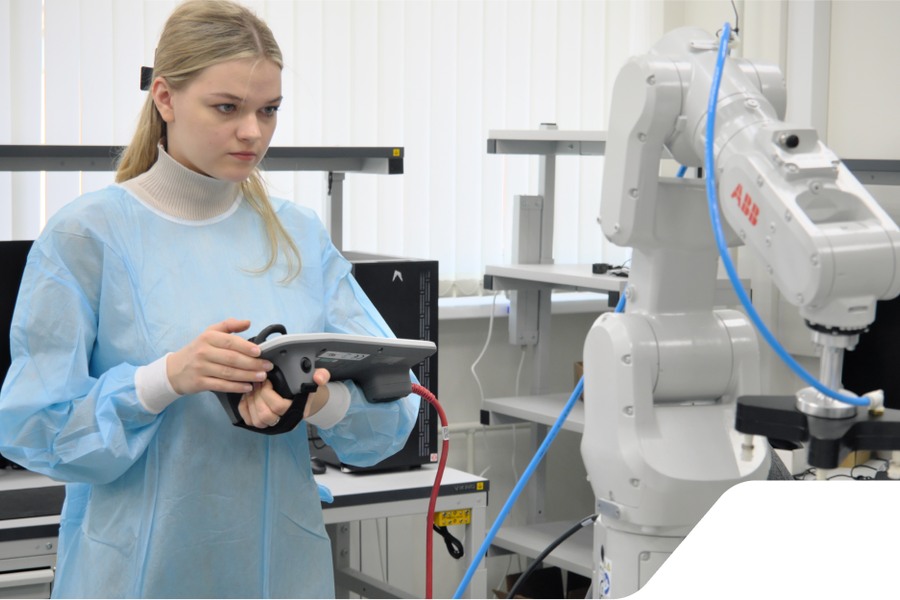
The extended curriculum combines classical medical knowledge with aspects of digital healthcare and innovative approaches to research. The environment supports this: Sechenov University brings together physicians, biologists, engineers and IT specialists, creating conditions for innovation and technology transfer. Its research focus covers fields such as genomics, proteomics, regenerative medicine, neuroscience and artificial intelligence in medicine. Students engage with these areas through research disciplines, laboratory access and supervised projects that they learn to defend and publish.
Why leadership belongs in the picture
New tools change little unless someone can introduce them into practice. That is why a separate six-year leadership programme runs alongside medical studies. It trains students to make decisions under uncertainty, communicate scientific results and lead teams in a clinical setting, skills that matter whenever a hospital adopts a new method or technology.
Possible directions after graduation
The programme points to several next steps: taking part in scientific projects, continuing to residency, or pursuing postgraduate study. Graduates who want to work abroad, including applicants from Qatar who may plan to return home, can build careers in different countries according to the qualification recognition rules of the country where they intend to practise. No programme can promise a particular role, but a combination of clinical training, research experience and leadership practice gives graduates a broad base to build on.
To explore the track further, read the programme page and review the application steps in the admissions section. Questions can be sent through the contacts page.
For full details, visit the official page at https://healthleaders.sechenov.ru/ or contact the team at healthleaders@staff.sechenov.ru.
Questions?
Contact Us

